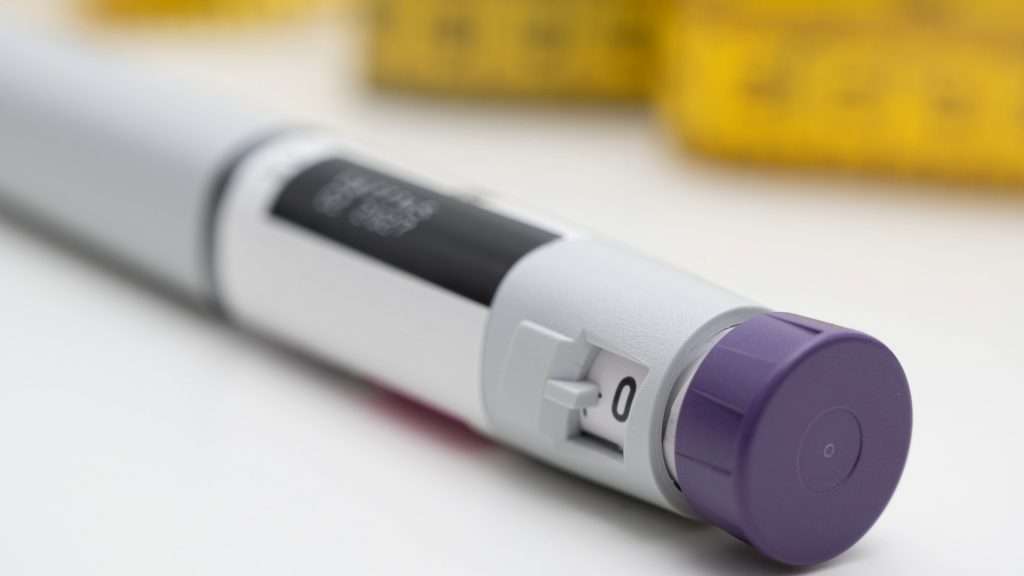
GLP-1 medications have transformed weight management for millions of Americans and, in some cases, are helping patients become better candidates for orthopedic surgery. But Dr. Eric Cohen of University Orthopedics says the number on the scale tells only part of the story.
Dr. Cohen recently joined four orthopedic surgeons from across the country in a Becker’s Spine Review discussion examining what the publication calls the “GLP-1 paradox”—the potential benefits of significant weight loss alongside concerns about muscle loss and inadequate nutrition.
“We’re seeing more and more patients on these medications,” Dr. Cohen told Becker’s. “What the orthopedic community isn’t talking about enough is body composition, not just weight loss.”
Being Lighter Doesn’t Always Mean Being Healthier
For patients who need joint replacement or other orthopedic surgery, losing excess weight can have significant benefits. Dr. Cohen noted that emerging research suggests patients taking GLP-1 medications may experience lower rates of readmission, infection, and revision following total joint replacement.
But rapid weight loss can also result in the loss of lean muscle mass, particularly when patients aren’t getting adequate protein or incorporating strength training into their routines.
As Dr. Cohen succinctly told Becker’s: “For surgical patients, being lighter doesn’t always mean being healthier.”
That distinction is particularly important in orthopedics. Muscle strength, nutrition, and overall health can all play a role in how well a patient is prepared for surgery and recovery.
Dr. Cohen stressed that education is key, with patients focusing on adequate protein intake, resistance training, and sustainable weight loss while using these medications. GLP-1s can be valuable tools, he said, but medication is only one component of improving long-term health.
Looking Beyond the Surgery
That focus on the whole patient—not simply the procedure—is also at the heart of University Orthopedics’ Center for Clinical Optimization.
The Center was created to help patients improve their overall health before surgery, recognizing that factors beyond the orthopedic condition itself can influence surgical outcomes and recovery.
Led by Ellery Murray, AGNP-C, under the supervision of Dr. Mouhanad El Othmani and Dr. Alan Daniels, the Center works with patients who may benefit from additional medical optimization before an elective orthopedic procedure. The goal is simple: identify and address modifiable health risks before surgery so that patients can enter the operating room in the best possible condition.
For patients experiencing significant weight loss—including those using GLP-1 medications—that broader view of health can be especially important. A lower number on the scale may be one positive change, but maintaining muscle, getting appropriate nutrition, and building healthy habits can also help prepare the body for the demands of surgery and rehabilitation.
It’s an approach reflected in the Center for Clinical Optimization’s message: Stronger In → Faster Out.
No Shortcuts to Better Health
The growing use of GLP-1 medications is changing the health of the patients orthopedic surgeons see every day. For Dr. Cohen, the takeaway isn’t that the medications are inherently good or bad, but that successful weight loss should be considered in the context of a patient’s overall health.
As he told Becker’s, “GLP-1s are powerful tools, but there are no shortcuts to better health.”
For University Orthopedics, that means continuing to look beyond the orthopedic diagnosis and helping patients become stronger, healthier, and better prepared for surgery—and for the recovery that follows.

 Eric M. Cohen, MD, is a board-certified orthopedic surgeon specializing in total hip and knee replacements at University Orthopedics. His focus is on minimally invasive total hip and knee replacement and rapid recovery after total joint replacements. He performs direct anterior total hip replacement, partial knee replacement, total knee replacement and complex revision surgeries. Dr. Cohen is a member of the American Academy of Orthopedic Surgeons, the American Association of Hip and Knee Surgeons and the Orthopedic Research Society. His research interests include rapid recovery after joint replacement and modifiable risk factors prior to joint replacement.