Just as you finished digging out from last weekend’s winter storm, another round of wintry weather is expected this weekend.
While snow removal may feel like just another winter chore, it can put significant stress on your back, shoulders, and spine if you’re not careful.
During a recent interview on 12 News, Dr. Christopher McDonald, orthopedic spine surgeon with University Orthopedics, said taking right precautions can help prevent serious injuries.
Treat Snow Removal Like a Workout
Dr. McDonald encourages people to think of shoveling snow as a physical workout. Lifting, twisting, and pushing heavy snow can stress muscles and joints if done incorrectly.
To reduce your risk of injury:
Maintain good posture while lifting and pushing snow
Avoid twisting your torso while shoveling
Take frequent breaks instead of trying to do everything at once
Stay hydrated, even in cold weather
Most importantly, know your limits. Overexertion is one of the biggest causes of snow-related injuries.
What Pain Is Normal — and What’s Not?
Some muscle soreness after snow removal is normal. Just like after a workout, mild aches and stiffness can be expected when you use muscles you don’t regularly engage.
However, Dr. McDonald warns certain symptoms should not be ignored.
Warning Signs to Watch For
Stop shoveling immediately and seek medical attention if you experience:
Sharp or shooting pain, especially pain that travels down the arms or legs
Numbness or tingling in the arms or legs
Weakness developing in any part of the body
“These symptoms can signal something more serious,” Dr. McDonald explains. If they occur, it’s important to stop activity and consult an orthopedic or spine specialist.
Take It Easy After the Storm
With continued snow expected Sunday and Monday, Dr. McDonald emphasizes pacing yourself. Clearing snow safely means:
Snow will always be there — your health should come first.
Bottom Line
Snow removal doesn’t have to lead to injury. By using proper posture, taking breaks, and listening to your body, you can protect your spine and stay safe all winter long. If pain feels unusual or severe, don’t push through it — get evaluated by a medical professional.

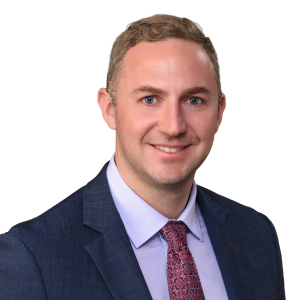 Fellowship-trained in both spine surgery and trauma surgery, Dr. Christopher McDonald specializes in the comprehensive treatment of spinal disorders across all ages, offering both advanced surgical solutions and conservative treatment options tailored to each patient’s unique needs. From addressing straightforward conditions to performing the most complex spine revisions, Dr. McDonald employs minimally invasive and motion-preserving techniques whenever possible, ensuring the highest standard of care.